Advocacy
This Month in DC Overview: July 2026
July 30, 2026 | 3 minute read
This Month in DC Overview
Alex Ayers gives us an overview of the most important things going on in DC this month. Highlights of this month's government affairs issues are:
DOE Process Rule Re-Proposed
The Department of Energy re-proposed its Process Rule, which governs how energy-efficiency standards are developed for split-system air conditioners, heat pumps, walk-in coolers and freezers, and commercial water heaters. The proposal mirrors the approach used during the first Trump administration, but a long-term solution will require EPCA reform rather than continued rule cycling.
SMART Energy Efficiency Standards Act
HARDI joined AHRI, PHCC, and ACCA in supporting the SMART Energy Efficiency Standards Act. The Senate bill would eliminate the installation-date requirement for regional standards on split-system air conditioners, helping prevent legally manufactured equipment from becoming stranded inventory.
Beneficial Ownership Information
HARDI joined a coalition seeking permanent beneficial ownership information reporting relief. Information previously submitted to FinCEN remains in a federal database, and HARDI is advocating for that data to be secured and removed.
State and Regional Actions:
New York All-Electric Buildings Act Upheld
The Second Circuit upheld New York’s All-Electric Buildings Act, allowing the state’s restrictions on fossil-fuel equipment in new construction to remain in effect. The ruling conflicts with the Ninth Circuit’s decision involving Berkeley, California, creating a circuit split that may ultimately require Supreme Court review.
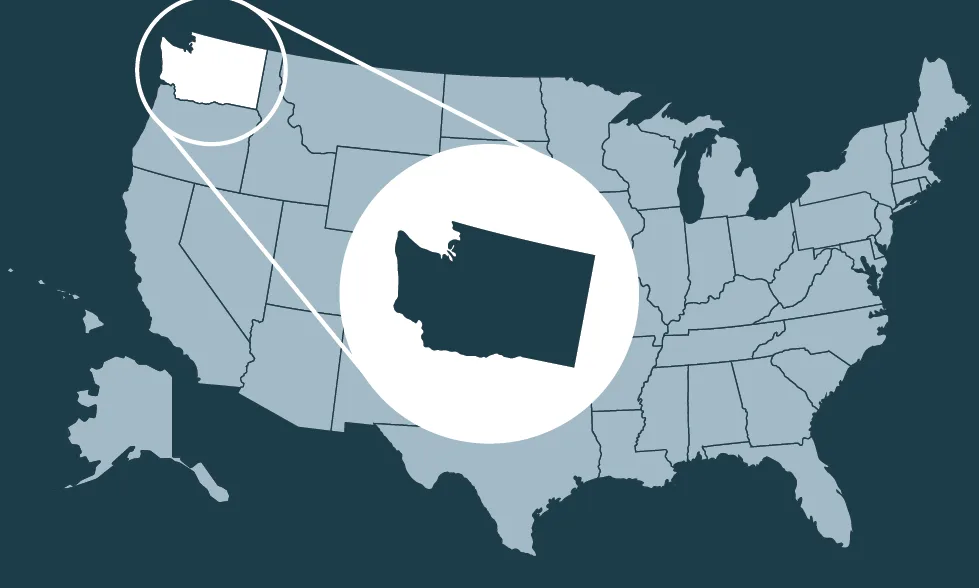
HARDI Selected for Washington Refrigerant Task Force
HARDI was selected to participate in Washington State’s Refrigerant Task Force. HARDI will advocate for refrigerant-transition recommendations based on product availability, cost, safety, and implementation feasibility rather than aspirational targets that could force a premature second HFC transition.
Southern California Commercial NOx Rule Upheld
A federal appeals court upheld South Coast AQMD’s commercial ultra-low-NOx rule. The requirements affect companies that manufacture, sell, or install covered commercial gas equipment in the Los Angeles region.
Oregon Proposes Heat-Pump Requirement
A proposed Oregon building-code provision would require a heat pump to serve as the first stage of heating in new homes, with furnaces permitted only for supplemental heat. The proposal would effectively eliminate traditional straight-air-conditioner and furnace combinations from much of the new-construction market.
Codes and Standards:
HARDI Helps Preserve Venting Flexibility in NFPA 54
HARDI helped preserve manufacturer-recommended venting options in NFPA 54. HARDI opposed a proposal that would have restricted vent-pipe suppliers and materials without a demonstrated safety justification.
Outdoor HVAC GFCI Deadline Approaches
The temporary National Electrical Code exemption from outdoor GFCI requirements for certain air conditioners and heat pumps expires September 1, 2026. Because inverter-driven systems may be particularly susceptible to nuisance tripping, distributors should review the applicable state requirements and confirm manufacturer-recommended GFCI products.
Explore HARDI's Industry Issues and State Issues pages and stay up to date on the latest issues affecting the HVACR industry.
Read more on what's affecting our industry here: HARDI's Advocacy Blogs
Stay Informed with HARDI Advocacy
With federal rules advancing, tariffs shifting, and states introducing new complexities, staying informed is critical. HARDI continues to advocate for practical, member-focused solutions across all levels of government.

Alex Ayers
Vice President of Government Affairs
Alex is HARDI’s lead lobbyist and regulatory expert, with over a decade of experience in Washington, DC. A former Iowa caucus delegate, he built early roots in grassroots politics. He has lobbied, published, and testified on taxes, energy, environment, agriculture, and economics. His work has been cited by the Wall Street Journal, Forbes, and the Tax Foundation.

You might be interested in...