Advocacy
Canada Proposes New HVACR and Water Heating Efficiency Requirements
September 21, 2026 | 4 minute read
Natural Resources Canada (NRCan) has proposed Amendment 19 to Canada’s Energy Efficiency Regulations, with changes affecting several HVAC, ventilation, and water-heating product categories. For Canadian distributors, the proposal could affect which models remain available, how products are certified and documented, and how inventories are managed as new requirements begin taking effect.
Amendment 19 was published in the Canada Gazette on June 20, 2026, and remains a proposal until the government reviews comments and finalizes the amendment. Many of the HVACR-related requirements would apply to products manufactured beginning in 2028.
Water Heating Is a Major Part of the Proposal
Some of the most significant changes for distributors involve commercial and residential water-heating equipment.
For commercial gas storage water heaters, NRCan is proposing a minimum thermal efficiency of 95% beginning January 1, 2028. Commercial gas instantaneous water heaters would generally move to 96% thermal efficiency, and commercial gas-fired hot-water supply boilers would also require 96% thermal efficiency.
For distributors, those changes would shift commercial water-heating inventories toward higher-efficiency equipment. That may be particularly important in the replacement market, where higher-efficiency products can require different venting, condensate management, controls, or installation configurations.
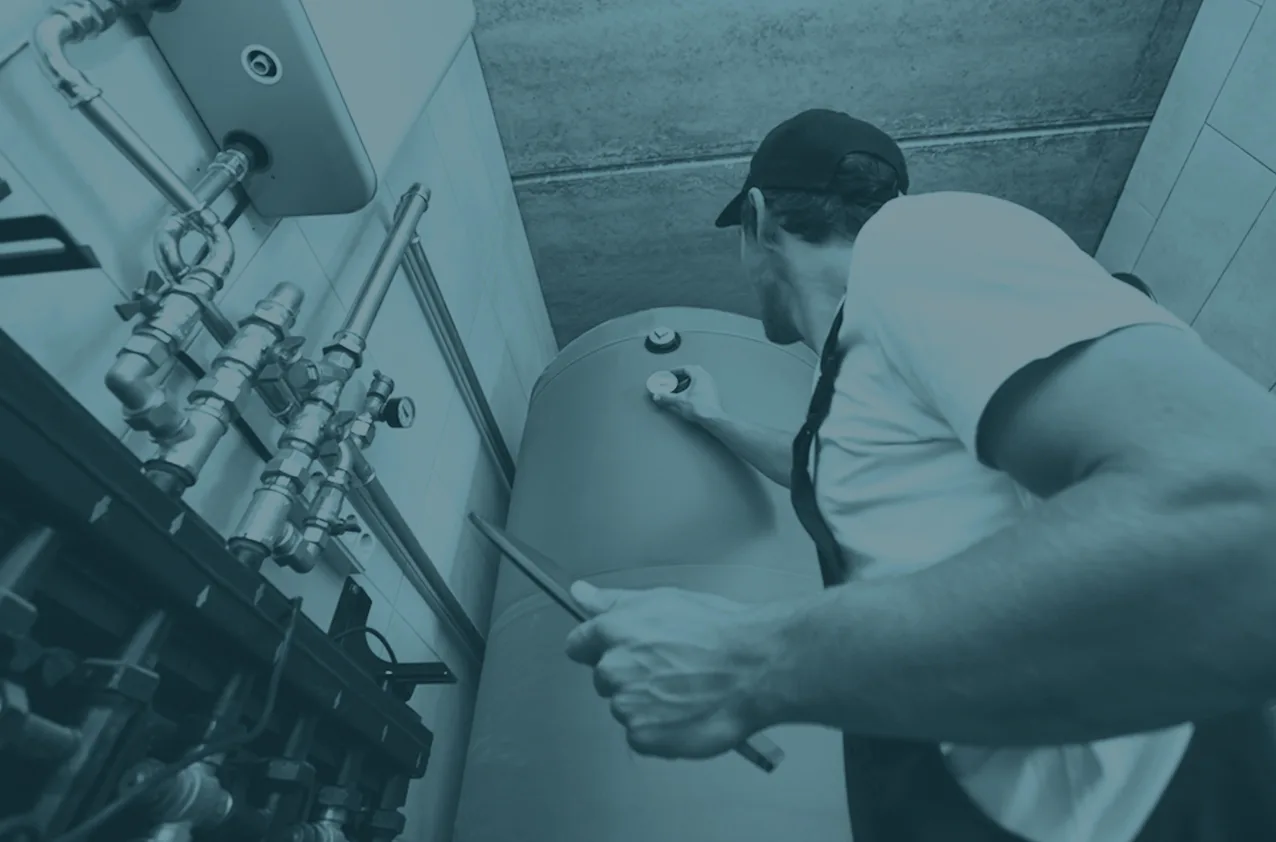
Amendment 19 also makes changes to residential water heaters. Heat-pump water heaters would become a defined product class in 2028 with a minimum UEF of 2.3 below 208L (55 gallons) and 2.5 UEF for HPWH between 208L and 454L (120 gallons) for equipment manufactured after May 6, 2029. Electric resistance storage water heaters would increase in efficiency after May 6, 2029, while additional requirements would apply to gas- and oil-fired household water heaters over two phases, the first on May 6, 2029, and the second starting in 2032. NRCan has said all known heat-pump water-heater models already meet the proposed efficiency level, so the immediate effect on that category will focus more on product classification than on model availability.
Commercial Furnaces Would See Expanded Coverage
Amendment 19 would also expand federal regulation of commercial gas furnaces.
For commercial gas furnaces, the amendment removes the category for furnaces above 400,000 Btu/h, setting all furnaces above 225,000 Btu/h at 81% thermal-efficiency requirement beginning in 2028. Furnaces between 225,000 and 400,000 Btu/h are already at 81% thermal efficiency.
New Requirements for Ground-Source Heat Pumps and Ventilation Equipment
The proposal establishes new minimum performance requirements for several ground-source heat-pump configurations, including water-to-air, water-to-water, brine-to-air, brine-to-water, and direct-exchange systems.
Under Amendment 19, Canada would regulate configurations that do not have directly corresponding U.S. federal minimum standards. That could result in different Canadian product listings, certification requirements, or model availability.
Amendment 19 would also establish minimum efficiency requirements for heat-recovery ventilators and energy-recovery ventilators beginning in 2028. Covered units would need to meet minimum sensible recovery efficiency and fan-efficacy thresholds.
For distributors, lower-performing HRV and ERV models could leave the Canadian market as the new requirements take effect. Product specifications and manufacturer compliance documentation will become increasingly important when determining what can continue to be stocked and sold.
Inventory and Cross-Border Planning Will Matter
For distributors, the effective dates are only part of the picture. Many requirements are tied to the date a product is manufactured, making manufacturer transition schedules and inventory planning important well before the standards take effect.
Canadian distributors should be watching:
Which current models meet the proposed requirements
When manufacturers plan to phase out or replace noncompliant models
How existing inventory will be treated
Whether Canadian and U.S. model offerings begin to differ
What testing, verification, and reporting documentation will be required
Whether compliant replacement products remain available for existing installations
Amendment 19 also proposes a mechanism that could preserve a Canadian requirement if an incorporated U.S. standard is later repealed. That means a future regulatory change in the United States would not necessarily produce the same change in Canada. Distributors operating in both markets may need to track Canadian and U.S. requirements separately even where the two are currently aligned.
What Comes Next
Amendment 19 has not been finalized, and NRCan could make changes after reviewing public comments.
For now, Canadian distributors should begin identifying affected product lines and talking with manufacturers about compliance status, product-transition schedules, and Canadian inventory plans. Water heating, commercial furnaces, ground-source heat pumps, and ventilation equipment are among the categories that warrant the closest attention.
HARDI will continue monitoring Amendment 19 as it moves through the federal regulatory process and will provide additional updates as requirements and implementation timelines become clearer.
Stay up to date on the latest Government Affairs and Advocacy updates by subscribing yourself or your company's key contact for these issues.

Alex Ayers
Vice President of Government Affairs
Alex is HARDI’s lead lobbyist and regulatory expert, with over a decade of experience in Washington, DC. A former Iowa caucus delegate, he built early roots in grassroots politics. He has lobbied, published, and testified on taxes, energy, environment, agriculture, and economics. His work has been cited by the Wall Street Journal, Forbes, and the Tax Foundation.

You might be interested in...