Market Intelligence
Should Distributors Fear Inventory Deflation?
April 28, 2023 | 3 minute read

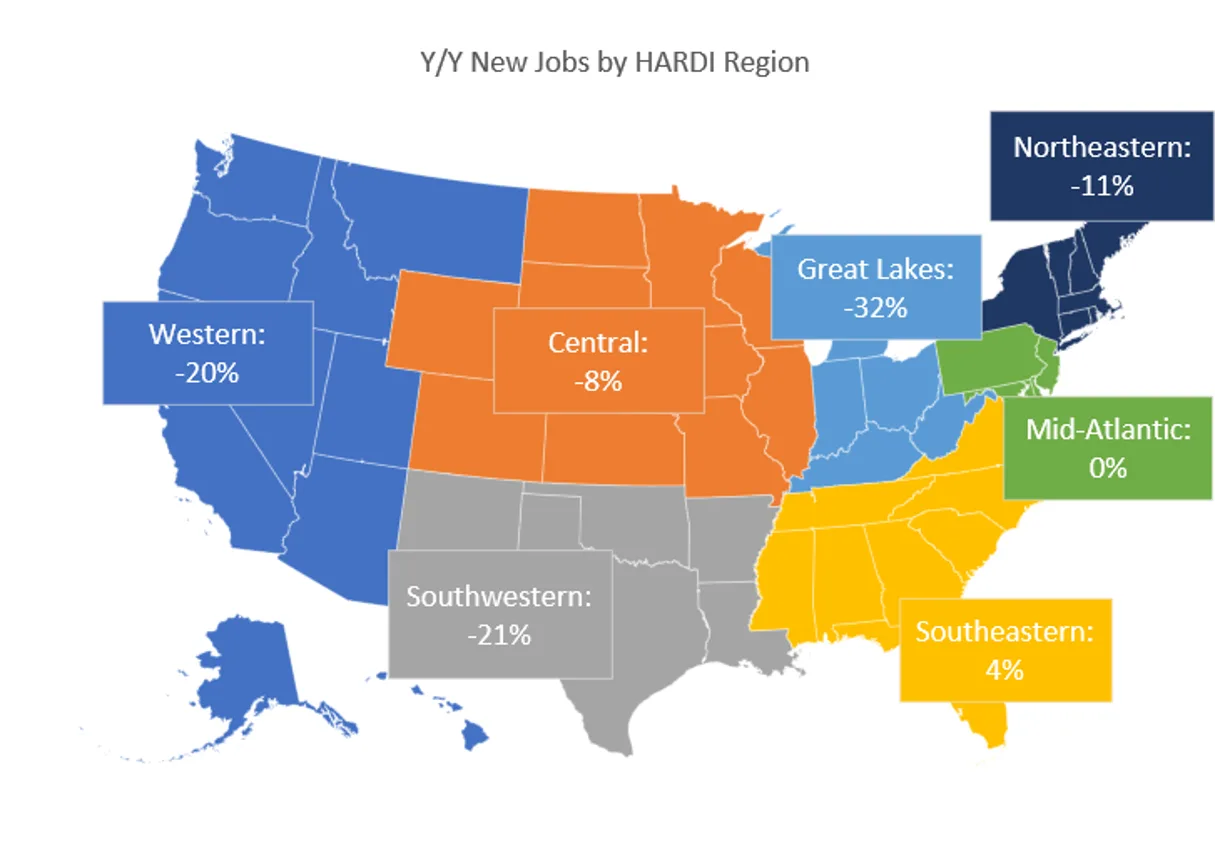
The past two years have seen record-breaking growth as a result of the pandemic-related demand shock for residential replacement, but early 2023 figures show that this is finally starting to slow. This may come as no surprise to many given that nearly 70% of respondents in last year’s JP Morgan mid-year survey indicated that the current levels were unsustainable and likely to affect growth in 2023 – ’24. While overall contractor hours and payrolls remain healthy as shown in the figure below, demand by HARDI region ranges from large slowdowns to moderate growth.
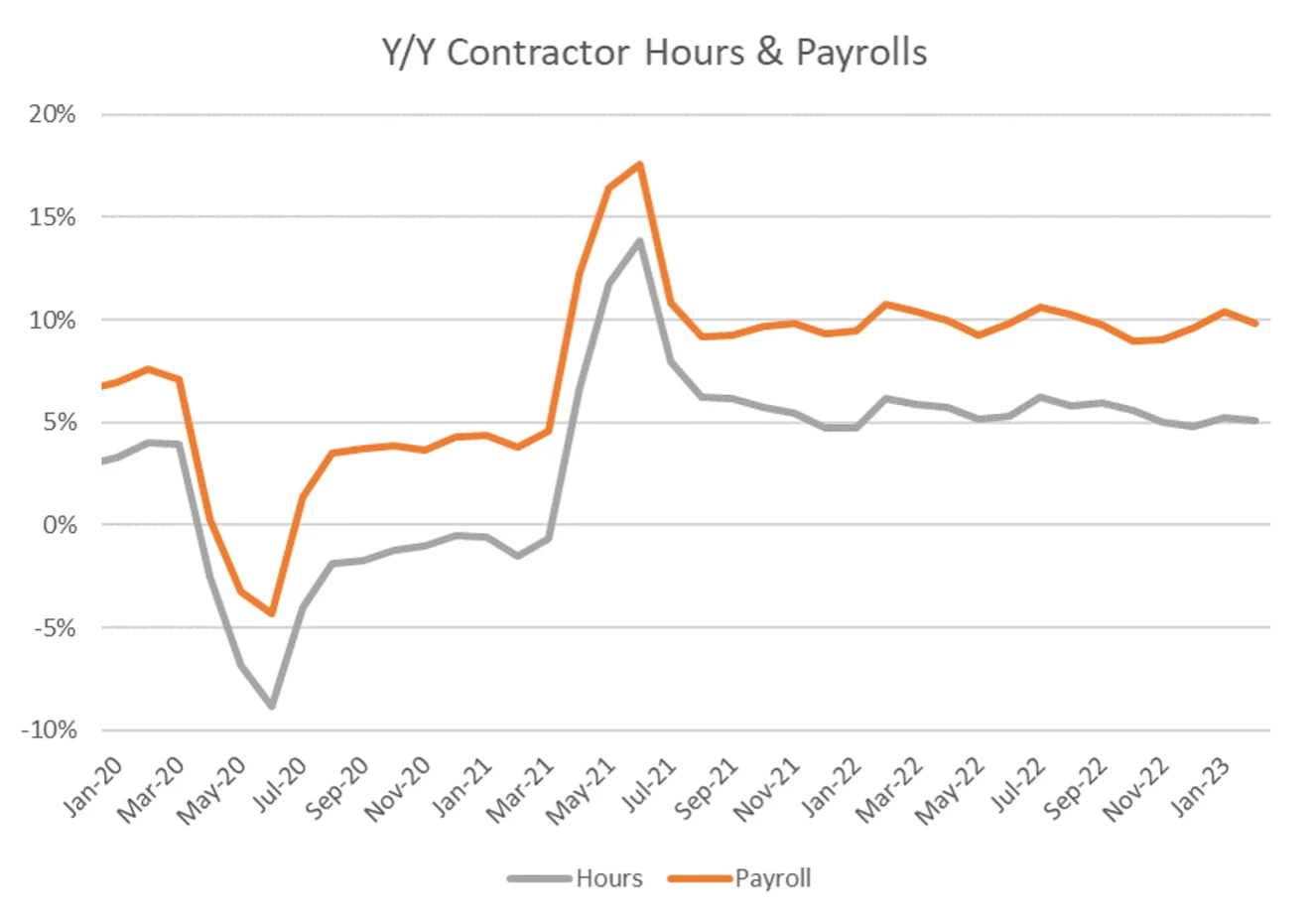
Note: The chart above shows the annual change in contractor jobs and average weekly hours for nonsupervisory & production HVAC/Plumbing contractors (which we refer to as “technicians and installers). Both jobs and weekly hours are shown as seasonally adjusted, 3-month trailing averages. FieldEdge has provided data through March 2023, and is displayed above, while average weekly hours comes from the Bureau of Labor Statistics and is currently only available through February 2023.
With early 2023 demand outlook coupled with stabilizing yet still uncertain supply chain constraints, many HARDI members are concerned about the value of surplus inventories in the channel. While it is easy to look at the market conditions and panic, there is regional nuance and opportunities that macro-level aggregates can’t always explain.
Northern markets appear at first glance to be performing poorly through Q1, however, replacement demand in this area as cooling season begins will be a valuable market for those holding older inventory as noncompliant SEER2 units are still installable. Additionally, in light of recent economic conditions, there is evidence of end users and contractors beginning to push back on price. In last year’s mid-year JP Morgan report, 83% of respondents indicated that customers were pushing back on price at least to some degree and 76% of respondents indicated that customers could only withstand none to moderate price increases before we observe some demand destruction. Given the price sensitivity of contractors right now, there is more opportunity for sales of older cheaper models in northern markets given new unit prices and lead times. Southern markets are benefiting from the flipside of new regulations. Demand for more efficient SEER2 products will protect inventory value.
It’s undeniable at this point that the first signs of an economic slowdown are starting to show, but long-term trends remain strong with many analysts predicting a late 2024 – early 2025 levels returning to normal. Price levels for HVAC equipment remain high and growing, lead times (and their effect on inventory levels) are still high but are stabilizing, and year-to-date growth is still strong. Forecasts predict a hot summer in the US as well as the regional effects of regulatory changes will help ease the short-term economic burden on members through the rest of 2023.

Tyler Drown
Former Quantitative Research Analyst at HARDI
Tyler previously served as an analyst on the Market Intelligence team, where he used his background in economics and statistics to deliver content on market insights that helped members make informed, data-driven decisions.