HR & Training
HARDI Emerging Leaders in Action: Turning Learning into Leadership
August 5, 2026 | 6 minute read
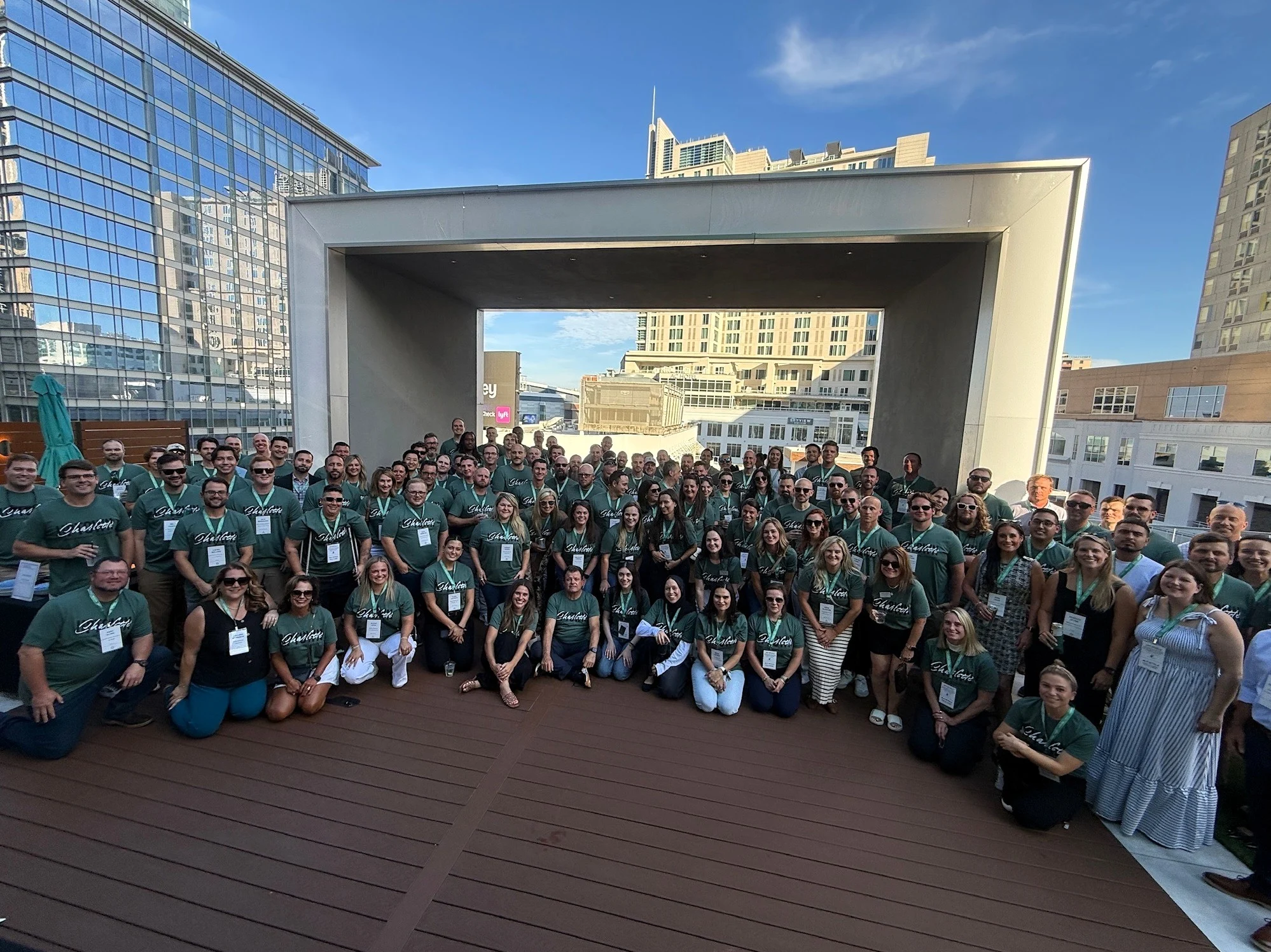
The 2026 HARDI Emerging Leaders Conference brought together 120 participants, including 47 new participants and 24 upcoming graduates, for three days of learning, reflection, collaboration, and relationship-building. Since the program began in 2016, more than 150 leaders have graduated, with 92% advancing into director-level roles or higher, demonstrating the long-term impact of investing in leadership development within the HVACR industry.
This year’s conference focused on the following competencies of organizational leadership and operational knowledge. Participants were challenged to look beyond their individual responsibilities and consider how their decisions, relationships, and leadership behaviors influence their teams, organizations, customers, and the broader HVACR channel.
Learning from Industry Leaders
The conference opened with a mentor panel and cohort discussions featuring accomplished HVACR leaders. Participants gained practical perspectives on communication, finance, leadership, marketing, operations, and sales while strengthening relationships with mentors and peers.
These conversations reinforced an important lesson: leadership development does not happen in isolation. It requires a willingness to seek guidance, listen to different perspectives, ask thoughtful questions, and build relationships with people who can challenge and support continued growth.
Leading with Innovation and Business Awareness
Participants explored how leaders can challenge established thinking and create space for innovation. They were encouraged to move beyond “thinking outside the box” and instead examine whether the box, or the assumptions surrounding it, should exist at all.
The conference also provided an update on the economic and market conditions affecting HVACR distribution. Participants examined labor market trends, inflation, consumer behavior, interest rates, equipment purchasing patterns, and the outlook for residential and nonresidential HVACR growth.
This information helped participants connect leadership decisions with the economic and operational realities facing their organizations. Effective leaders must understand not only people, but also the business conditions influencing customers, teams, and performance.
Applying Operational Knowledge
Through Voice of the Contractor and Voice of the Distributor case studies, participants worked in teams to analyze realistic business challenges. They were asked to:
Identify the core business problem.
Evaluate key risks and competing priorities.
Determine what actions should occur first.
Recommend what must change over the next year.
Establish measures that would show whether the plan is succeeding.
These exercises required participants to think beyond a single department or function. They practiced examining business challenges from the perspective of executive leadership and developing recommendations that balanced customer needs, operational performance, financial results, and organizational priorities.
Preparing to Lead in an AI-Enabled Workplace
An interactive fireside discussion explored artificial intelligence and its growing influence on the workplace. Participants considered how leaders can use AI as a resource while maintaining thoughtful judgment, accountability, ethics, and the human connections required to lead effectively.
The conversation encouraged participants to remain curious, continue learning, and evaluate how emerging technologies may improve productivity, decision-making, communication, and customer service within their organizations.
Building Meaningful Industry Connections
Networking was positioned not as collecting contacts or promoting oneself, but as building authentic and mutually beneficial relationships. Participants practiced initiating professional conversations, introducing themselves with confidence, listening with curiosity, and identifying shared interests.
They also explored strategies for maintaining a strong professional network, including staying connected, participating in industry events, providing value to others, sharing knowledge, and consistently showing up with authenticity.
For Emerging Leaders, these relationships can become an important source of mentorship, collaboration, industry knowledge, and future opportunity.
Understanding Yourself and Others
Participants used the Predictive Index to deepen their understanding of their natural behavioral preferences and how those preferences influence communication, decision-making, risk tolerance, work pace, and relationships.
They learned that effective leadership is not about treating everyone the same. It is about recognizing what different people need to perform at their best and adapting communication and leadership approaches accordingly.
Participants were encouraged to share their assessment results with their managers and discuss how their strengths can be applied, where potential challenges may arise, and what support will help them continue developing.
Moving from Preparation to Action
The conference concluded with a challenge to stop waiting for the perfect title, opportunity, or level of readiness before beginning to lead.
Using the Activated Leader Framework, participants identified a current leadership challenge and worked through four actions:
Find the core issue.
Take meaningful action.
Manage the difficult middle.
Recognize progress and build momentum.
Leadership is demonstrated through everyday choices. Participants were encouraged to identify one action they can take now rather than waiting for formal authority or ideal circumstances.
The Role of the Manager
The lessons from the conference will create the greatest value when participants have opportunities to apply them within their organizations. Managers play an essential role in turning conference learning into sustained development.
Managers are encouraged to schedule a follow-up conversation with their Emerging Leader and discuss:
The most important insight they gained from the conference.
A business or leadership challenge they now view differently.
What they learned from their Predictive Index results.
One relationship they plan to strengthen.
One leadership behavior they will begin practicing.
A project, assignment, or responsibility through which they can apply their learning.
These conversations should lead to a clear development commitment and regular check-ins to review progress, provide feedback, and recognize growth.
Continuing the Journey
The HARDI Emerging Leaders Conference is one part of a broader leadership development experience. Participants should continue engaging with their mentors, cohort members, managers, and program activities throughout the remainder of the year.
Upcoming program commitments include the post-conference strategy webinar, mentor reconnection, and the Emerging Leaders session at HARDI’s Annual Conference in San Diego on December 10.
The challenge for every participant is to transform new knowledge into action. By applying what they learned, seeking feedback, strengthening relationships, and taking greater ownership of business outcomes, HARDI Emerging Leaders can create meaningful value for their organizations and help shape the future of the HVACR industry.
HARDI provides our members with best-in-class training programs, both public and private, and customized eLearning programs relevant to the HVACR industry. If you’d like to learn more about the Emerging Leaders program or other Training & Development trainings to engage and retain your associates or discuss how to attract, recruit, or hire associates, contact HARDI’s Talent Development Team.

Stella Keane
Vice President of Training & Development
Stella Keane is the Vice President of Talent Development. She's responsible for HARDI's Talent Development team, human resources, organizational development, finance, and operations functions. She brings over thirty years of Human Resources experience to the association and has managed best-in-class strategies and programs for talent readiness, succession planning, leadership development, and cultural engagement.
You might be interested in...

HR & Training
Webinar Replay: A Deep Dive Into HARDI's Pricing and Inventory Manager Programs

HR & Training
Distribution’s Labor Market Is Cooling — But Talent Challenges Are Far From Over

HR & Training