Advocacy
Federal Court Overturns Berkley Ban on Natural Gas
May 6, 2024 | 2 minute read
Update (5-6-2024): The City of Berkley has announced it plans to repeal the prohibition on gas hookups rather than appeal the decision to the Supreme Court. The State of California is also working on a Zero Emission Building Standard that would ban new gas hookups for appliances in the state.
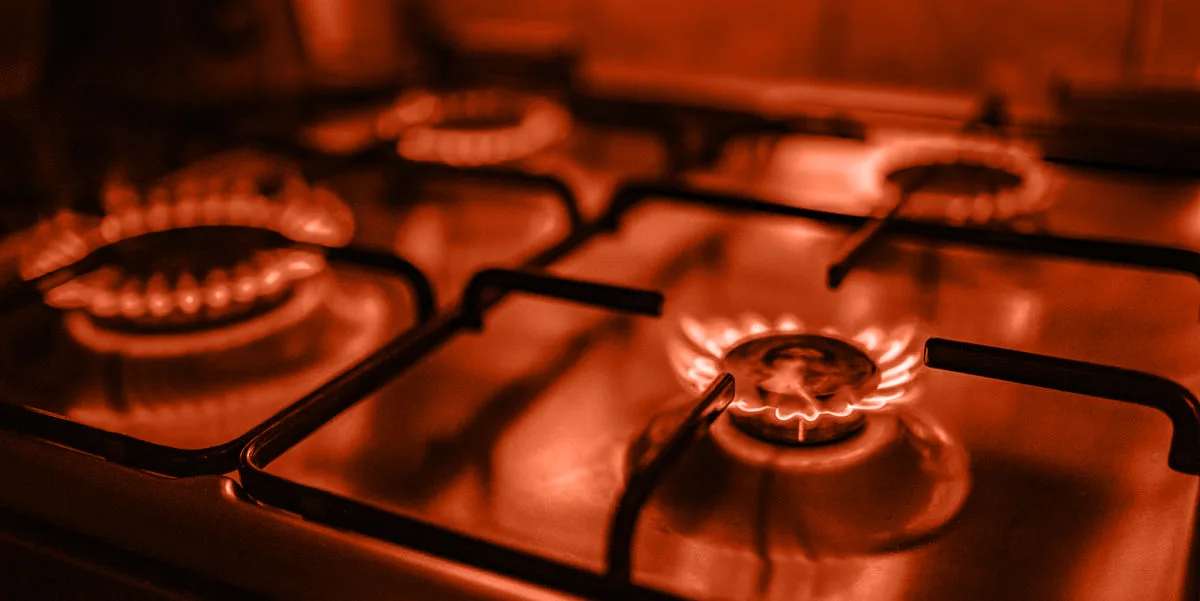
This week the 9th Circuit Court of Appeals overturned the City of Berkley’s ban on new natural gas hookups, effectively banning cooking or space and water heating using gas appliances. Berkley was the first municipality to pursue a ban on natural gas appliances by banning gas infrastructure. The court ruled that a ban on gas hookups was effectively a ban on gas appliances which violates federal law.
Because the case is specific to the City of Berkley’s municipal code, it will not affect other gas bans across the country, but it does set a precedent for other cases. In addition, if the city chooses to appeal the decision to the Supreme Court, that decision would have nationwide implications.
Bans on natural gas hookups have largely been enacted by local governments, with about 100 cities enacting them so far; however, California, New York, and Washington state have all announced intentions to ban gas appliances, especially furnaces.
While the Biden Administration has supported reducing America’s use of natural gas, no federal agencies have advanced regulations that would ban gas stoves, boilers, or furnaces. DOE is currently working on a regulation that would require all future gas furnaces to be 95% efficient, and HARDI expects that regulation to be finalized later this year. You can see HARDI’s comments on the proposed 95% furnace rule here. DOE is also working on guidance for state implantation of the High Efficiency Electric Home Rebate program that provides up to $8,000 rebate for replacing gas furnaces with electric heat pumps.
Advocate for the HVACR industry
Join HARDI and bring HVACR voices to Washington, DC. Stay up to date on the relevant industry issues HARDI is tracking and learn more about how these issues are impacting the HVACR industry. Read more on HARDI's Government Affairs page.

Alex Ayers
Vice President of Government Affairs
Alex is HARDI’s lead lobbyist and regulatory expert, with over a decade of experience in Washington, DC. A former Iowa caucus delegate, he built early roots in grassroots politics. He has lobbied, published, and testified on taxes, energy, environment, agriculture, and economics. His work has been cited by the Wall Street Journal, Forbes, and the Tax Foundation.

You might be interested in...