Advocacy
EPA Proposes Manufacturing Transition Dates for Air-conditioning and Refrigeration Equipment to Use Low-GWP Refrigerants
December 12, 2022 | 3 minute read
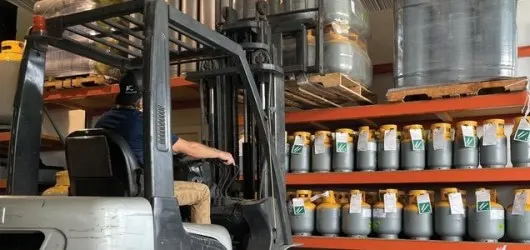
The EPA has released a pre-publication proposed rule to regulate the manufacture and distribution of air-conditioning, refrigeration, and other products that use regulated HFCs, including refrigerants. The proposed rule was created in response to petitions submitted to the EPA by industry, environmental organizations, and state agencies. Under the proposed rule, certain sectors and sub-sectors would stop manufacturing equipment using HFCs above certain GWP limits, and all existing inventory of this equipment would need to be sold within one year of the manufacturing deadline. Below is a table showing the refrigeration and air-conditioning transition dates:
Sectors and Subsectors | Proposed GWP Limit | Compliance Deadline | Sell-through Deadline |
Residential and light commercial air conditioning and heat pump systems | 700 | January 1, 2025 | January 1, 2026 |
Residential and light commercial air conditioning – variable refrigerant flow systems | 700 | January 1, 2026 | January 1, 2027 |
Residential dehumidifiers | 700 | January 1, 2025 | January 1, 2026 |
Chillers – industrial process refrigeration | 700 | January 1, 2025 | January 1, 2026 |
Chillers – comfort cooling | 700 | January 1, 2025 | January 1, 2026 |
Industrial process refrigeration systems with refrigerant charge capacities of 200 pounds or greater | 150 | January 1, 2025 | January 1, 2026 |
Industrial process refrigeration systems with refrigerant charge capacities less than 200 pounds | 300 | January 1, 2025 | January 1, 2026 |
Industrial process refrigeration, high temperature side of cascade systems | 300 | January 1, 2025 | January 1, 2026 |
Retail food refrigeration – stand-alone units | 150 | January 1, 2025 | January 1, 2026 |
Retail food refrigeration – refrigerated food processing and dispensing equipment | 150 | January 1, 2025 | January 1, 2026 |
Retail food refrigeration – supermarket systems with refrigerant charge capacities of 200 pounds or greater | 150 | January 1, 2025 | January 1, 2026 |
Retail food refrigeration – supermarket systems with refrigerant charge capacities less than 200 pounds charge | 300 | January 1, 2025 | January 1, 2026 |
Retail food refrigeration – supermarket systems, high temperature side of cascade system | 300 | January 1, 2025 | January 1, 2026 |
Retail food refrigeration – remote condensing units with refrigerant charge capacities of 200 pounds or greater | 150 | January 1, 2025 | January 1, 2026 |
Retail food refrigeration – remote condensing units with refrigerant charge capacities less than 200 pounds | 300 | January 1, 2025 | January 1, 2026 |
Retail food refrigeration – remote condensing units, high temperature side of cascade system | 300 | January 1, 2025 | January 1, 2026 |
Cold storage warehouse systems with refrigerant charge capacities of 200 pounds or greater | 150 | January 1, 2025 | January 1, 2026 |
Cold storage warehouse systems with refrigerant charge capacities less than 200 pounds | 300 | January 1, 2025 | January 1, 2026 |
Cold storage warehouse, high temperature side of cascade system | 300 | January 1, 2025 | January 1, 2026 |
Ice rinks | 150 | January 1, 2025 | January 1, 2026 |
Automatic commercial ice machines – self-contained with refrigerant charge capacities of 500 grams or lower | 150 | January 1, 2025 | January 1, 2026 |
Most air-conditioning manufacturers have announced their intent to use either R-32 (GWP of 675) or R-454B (GWP of 466), both of which are below the proposed 700 GWP limit. The one-year sell-through was an unexpected addition to the proposed rule and will likely drive transitions to occur earlier than the manufacturing deadline for many sectors in states that allow the use of A2L refrigerants.
The full proposed rule is available here.
A fact sheet for the proposed rule is available here.

Alex Ayers
Vice President of Government Affairs
Alex is HARDI’s lead lobbyist and regulatory expert, with over a decade of experience in Washington, DC. A former Iowa caucus delegate, he built early roots in grassroots politics. He has lobbied, published, and testified on taxes, energy, environment, agriculture, and economics. His work has been cited by the Wall Street Journal, Forbes, and the Tax Foundation.

You might be interested in...